Match 19 · The Hundred Men's 2026 · 3 August 2026
Welsh Fire vs Southern Brave Dream11 Prediction: Sophia Gardens Fantasy XI for Match 19
An independent fantasy reading of Match 19 at Sophia Gardens: form, venue averages, captain and vice-captain notes, a balanced XI from both sides, and the small list of things to recheck before the contest locks.
What we know before the toss
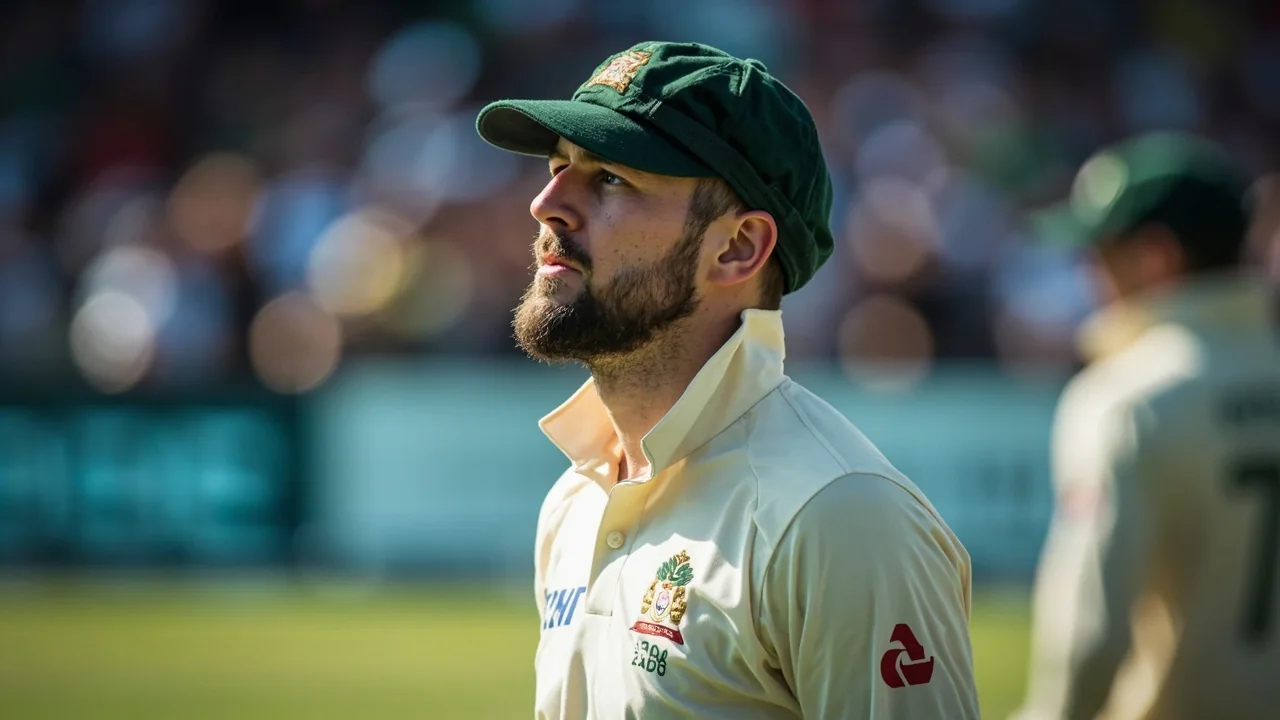
Welsh Fire go into Monday's fixture off a seven-wicket win over Birmingham Phoenix, and the points table now has them sitting third. Southern Brave arrive with a five-wicket win over London Spirit fresh in the notebook, and Jofra Archer's 4-9 earned him the Player of the Match there. The Hundred is short-form and the conditions at Sophia Gardens are unusual enough to nudge selection thinking away from pure form alone.
Published match details list an 11:00 PM IST start at Sophia Gardens in Cardiff, with temperatures around 12-13C, 12% rain chances and 79% humidity. None of those numbers are dramatic on their own, but together they suggest a surface that may hold seam movement early and a chase that is not impossible if dew shows up in the second innings.
Before reading any pick, the first discipline is to confirm the playing XI from the official broadcast partner once the teams are announced. Fantasy line-ups should be re-examined after the toss, not before it, because the toss tells you who bowls first and which side of the chase-or-defend split your captain thesis actually belongs to.
Form and the five-match window
The published form lines describe Welsh Fire as W, L, W, W, L across their last five, and Southern Brave as W, W, L, L, L across the same window. The two sides are not the same shape of in-form. Welsh Fire are oscillating around a winning baseline, while Southern Brave are tilting toward a recent dip that the Archer-led win over London Spirit has only partially arrested.
Form filters are useful, but they can mislead close to a match if the most recent win was a low-scoring fluke or a high-scoring chase. The reading here is that Welsh Fire's recent results include a recent victory, while Southern Brave's most recent match was a controlled bowling display rather than a batting surge. The implication for fantasy selection is that Brave's premium bowlers look defensible, while their top-order batters warrant a closer look at the venue's average second-innings score before they are treated as safe captain material.
For any single captainth decision, the right question is not "who is in form" but "who is in form on a Cardiff surface". That is the difference between a player note and a fantasy thesis.
Sophia Gardens and what it tells the XI
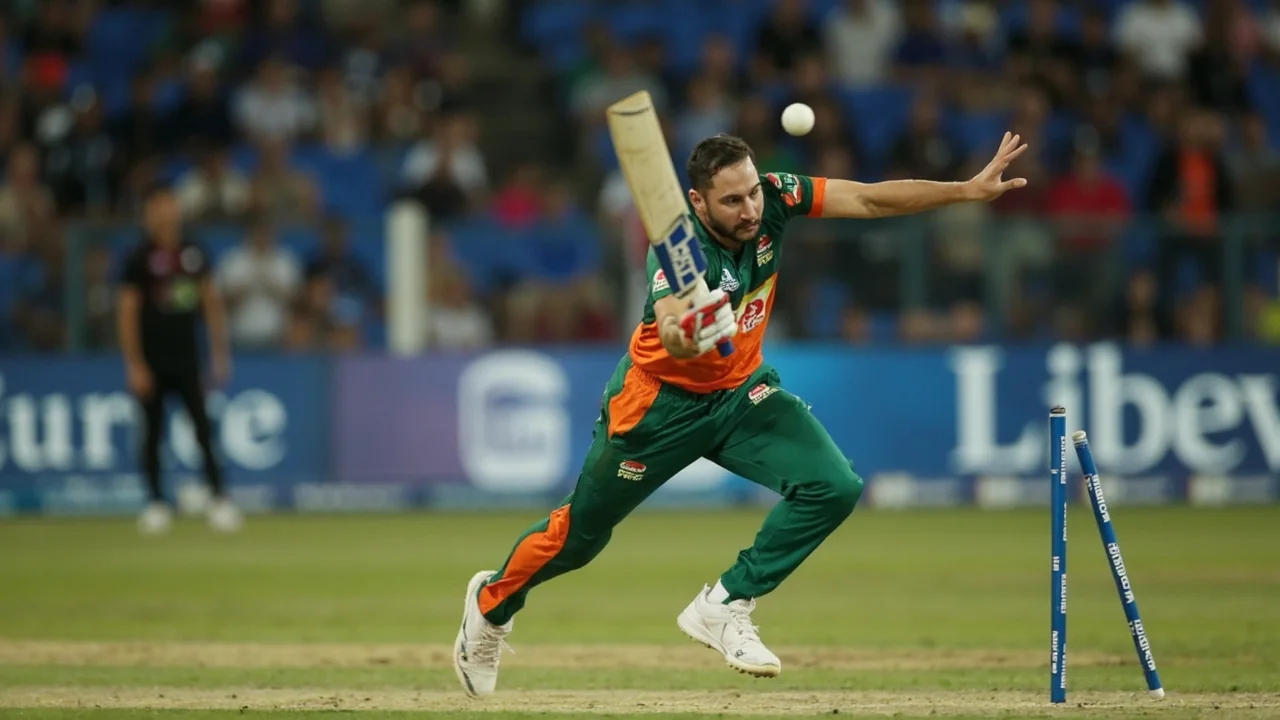
Sophia Gardens is not a flat highway. The published venue numbers report averages of 131 in the first innings and 123 in the second, with bowling-first sides accounting for roughly 68% of wins in the source's figures. That is a meaningful skew. A captainth that depends on a flat chase will look thin; a captainth that depends on early wickets or a bowling all-rounder will look more grounded.
For fantasy purposes, the practical reading is that death-over bowlers and disciplined powerplay operators carry more weight than pure middle-overs accumulators. Openers still earn their floor value, but the second-innings average is lower than the first, which adds risk to a chase-led captain pick.
The venue's short boundaries on one side and longer square boundaries on the other also reward batters who can pick the short side. A new batter unfamiliar with the geometry routinely mishits into the longer pockets, and the resulting dot-ball pressure is what kills a chase more than the loss of wickets alone.
Head-to-head, not just a streak
The published ten-match head-to-head record has Southern Brave ahead by eight wins to two, with no no-results. That is a heavy imbalance and it deserves to be weighted, but not blindly. A two-year-old 8-2 line is not the same as the present moment, especially when both squads have rotated overseas slots and at least one Welsh Fire win in the recent wider window came against a Brave line-up that did not include the current bowling core.
Head-to-head is a sanity check, not a script. The fantasy XI still has to account for the current toss, the current form window, and the current physio report. If two of those three tilt Welsh Fire, the eight-to-two ledger is informational, not decisive.
It is also worth noting that the head-to-head is asymmetric in information: a reading built on the last ten matches collapses ten different squads into one average. The job in this Match 19 notebook is to look through the ledger, not to be flattened by it.
Recommended fantasy XI and the captaincy call
The source's recommended fantasy XI pulls from both teams, with the captaincy going to Rachin Ravindra and the vice-captaincy to Marcus Stoinis. The reasoning pattern is straightforward: pick the strongest matchup if the surface rewards the role, and pair it with a vice-captain whose role survives even if the captain's specific phase does not fire.
For Dream Come app users composing XIs on the broader product, the working interpretation is that the captain should be the player with the cleanest phase weight at this venue, and the vice-captain should be the second-cleanest role-anchored option rather than a duplicate of the first. Two batters in the same role is a captain plan that fails together; two batters in different phases is a captain plan that survives overlap.
The reading also rewards balance. A side built around five bowlers and a splatter of middle-order batters collapses if the toss flips to a chase. A side that mixes two frontline bowlers, an all-rounder, three top-order batters and a finisher holds its shape in either innings. The actual XI on the day may differ, but the construction principles should not.
Where the app pickup fits in
Most readers who land on this preview are also players who keep a Dream Come app session running alongside the broadcast. The natural habit is to start the team build inside the live product, swap two differentials based on the pitch, and then watch the innings with the team visible. The verdict pattern is the same as it would be for any major contest: do not commit more than a pre-set cap, do not chase after a fumble, and do not paste someone else's XI without checking the rationale.
For a Match 19 night, the pre-set cap should be decided before the toss conversation, not during. The toss is a high-arousal moment, and high-arousal decisions are the ones that break personal loss limits. If the cap feels tight at 11 PM, the cap is doing its job.
For more on how the live product fits around an evening preview, the Dream Come app overview walks through the lobby, permissions and live-session flow without hype. Pair that with the points-system reference if the captainth question is more about scoring weight than role weight.
Weather, dew and the second innings
The published forecast for Sophia Gardens on 3 August 2026 lists 12-13C, 12% rain chances and 79% humidity. None of those numbers alone justifies a captain flip, but together they suggest a surface that may reward teams bowling first even though the average first-innings score is the higher of the two.
The reason is subtle. A first-innings score of 131 at 12-13C is rarely a flat highway; it is usually a held surface where bowlers executed their plans. A second-innings chase at 123 average is then a controlled chase where the bowling side tightens as dew enters. The two averages are not contradicting each other; they are describing the same match where the first side batted and the second side chased.
Practically, that means the captainth should be biased toward a player who performs in either phase of a tight match, not a player whose points depend on a flat batting track and a 200-plus chase. The venue is shaping selection as much as the squads are.
What to recheck before lock
Five things matter more than the captain pick once the playing XIs are out. First, the toss and the resulting decision to bat or bowl. Second, the confirmed playing XI for both sides and any late physio swaps. Third, the role each fantasy candidate is slotted into, especially whether a bowler is on powerplay or death duty. Fourth, the credit left after the captain and vice-captain, because leftover credits that sit unused are a hidden differential. Fifth, the contest format and entry size, because risk appetite should match contest type, not personal bravado.
Each of those items is also a place where a fantasy rank can be quietly saved. Most losing line-ups are not ruined by the captain; they are ruined by the user who checked the captain and ignored the credit split. The team is a system, not a flagship.
If any of the five items is unclear twenty minutes before lock, the responsible move is to enter a smaller contest or to skip the slate entirely. There is no fantasy decision that warrants panic, and the slate returns later in the tournament with a different surface and a different shape.
The bottom line
The cleanest read on Match 19 is that Welsh Fire have the more recent winning form, Southern Brave have the deeper head-to-head, and Sophia Gardens will reward bowlers more than batters in the second innings. The captaincy on the source's reading sits with Rachin Ravindra, with Marcus Stoinis as the vice-captain, and the supporting XI pulls from both sides without overcommitting to either dressing room.
Treat the pick as a starting thesis, not a promise. The next event worth watching is the toss at Sophia Gardens, because that single decision will reshape the captain question more than any other reading before lock. Confirm the playing XIs, recheck the role allocations, and decide the entry size before the broadcast graphics start moving.
Fantasy cricket rewards preparation, not confidence. The notebooks that win are quiet, role-anchored, and they survive the toss. The notebooks that lose are loud, name-driven, and they collapse the moment a bowler is rotated.