Retrospective · 24 May 2026 season close · Published 4 August 2026
IPL 2026's Eleven Flops: How Pant, Gaikwad and Bumrah Cost Fantasy Captains Their Season
A season-end look at the eleven IPL 2026 stars whose runs, wickets and strike rates sat well below their auction price tags — and what fantasy captains who carried them through fourteen matches would have done differently with the same information in March.
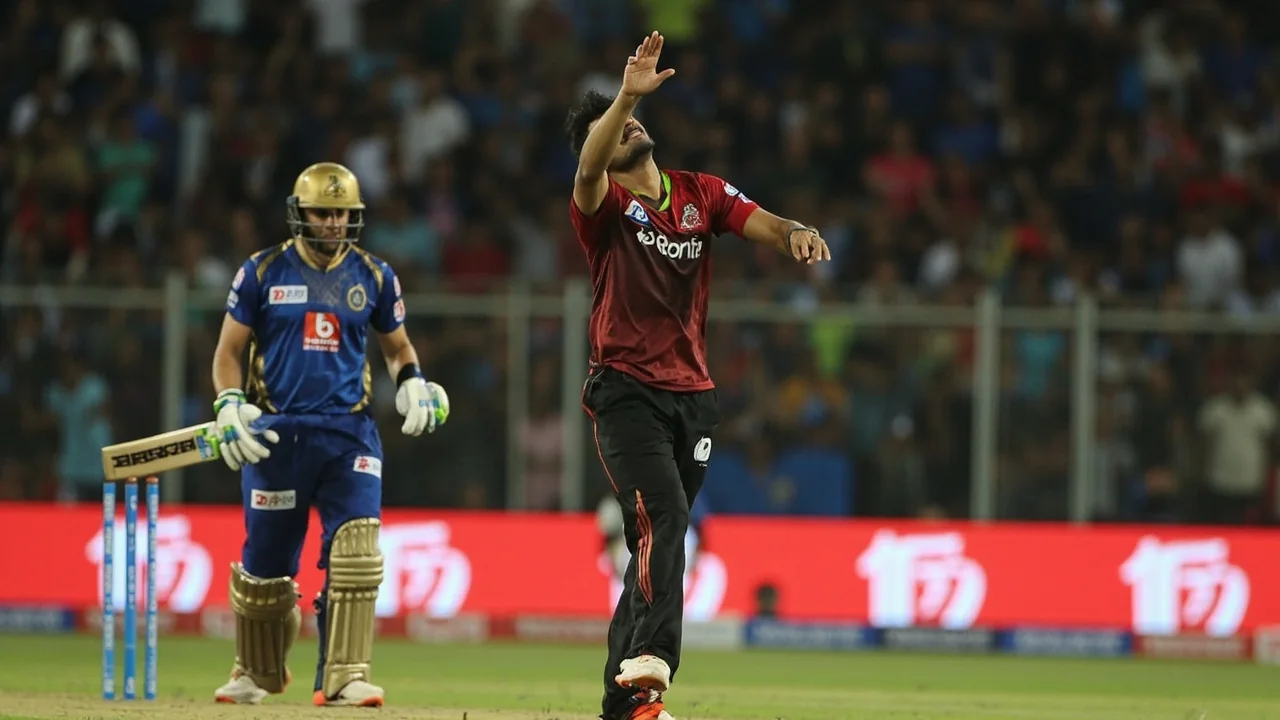
The league stage closed with a winner no one had on a list
The Indian Premier League 2026 league stage ended on 24 May 2026, with Royal Challengers Bangalore finishing atop the table to qualify directly for Qualifier 1. Gujarat Titans, Sunrisers Hyderabad and Rajasthan Royals rounded out the playoff bracket, in that order. Most pre-season fantasy models had at least three of those four in the top four. None of them, however, had a list of flops that read quite like the season actually delivered.
Cricket News published a season-end ranking on the same day the league stage closed, identifying eleven stars who had failed to deliver against the expectations written into their auction cheques or their international reputations. The list runs from Rishabh Pant's INR 27 crore stinker at Lucknow Super Giants to Jasprit Bumrah's worst-ever T20 tournament bowling average at Mumbai Indians. Both names sit at the extremes of the bracket — one a marquee buy whose bat never came close to justifying the price, the other a bowler whose career floor dropped further than anyone had seen.
This retrospective walks through that list with the verified figures, groups the names by what kind of failure they represent, and reads the season back through a fantasy lens. The 2026 auction cycle has been over for weeks, but the lessons on captain selection, salary-cap discipline and avoid-list thinking carry over to the next mega-auction and to every domestic fantasy window between now and then.
The Lucknow collapse: Pant and Pooran
No franchise underperformed its auction sheet more visibly than Lucknow Super Giants, who finished bottom of the table after a season in which both their most expensive buy and their most explosive overseas finisher produced returns well below their floors.
Rishabh Pant, listed as captain and wicketkeeper, scored 312 runs in 14 matches. That number is not catastrophic in isolation; it is catastrophic in context. LSG bought Pant for INR 27 crore, the single biggest purchase of the 2026 cycle, on the explicit thesis that his left-handed powerplay aggression and finishing range would make the middle order self-sufficient. Instead, the top-order partnerships never settled, Pant's strike rate drifted below the league average for top-seven batters, and the side ran out of ideas well before the business end. The price tag is the headline; the on-field evidence is that an INR 27 crore player delivered the kind of returns a far cheaper overseas recruit would have been released for.
Nicholas Pooran compounded the failure. Pooran finished with 234 runs in 14 matches, well below the level that had made him one of the most sought-after T20 finishers in the world across 2024 and 2025. When the league's most expensive captain and most bankable death-overs finisher both stall in the same side, the batting order loses its shape. Fantasy teams that double-stacked Pant and Pooran in their XIs paid the cost in two slots simultaneously.
Chennai Super Kings and the top-order rewrite
Chennai Super Kings reached the playoffs, but the production from their Indian core left enough questions that the franchise will have to weigh a top-order rewrite. The two names that drew the heaviest criticism were Ruturaj Gaikwad and Dewald Brevis.
Gaikwad scored 337 runs in 14 matches with a strike rate of 123.44. For an opener in a 2026 IPL side, that strike rate is below the modern floor. The damage compounded because Gaikwad's role is to anchor the powerplay and either accelerate or rotate strike in the middle overs; instead, his tempo put pressure on Sanju Samson at the other end and on the middle order that had to clean up after him. A captain who picks Gaikwad as the batting anchor at the start of a contest is paying a premium slot for a tempo that dragged the side back rather than pushing it forward.
Brevis, the young South African recruited for middle-overs spin-hitting, managed 151 runs in 11 matches after a mid-season injury blunted the back half of his campaign. The injury is the mitigating factor; the 11-match output is not, and CSK will need to decide whether Brevis's ceiling justifies another season in the same role or whether the slot is better spent on a different skill profile.
The Mumbai Indians triple flop
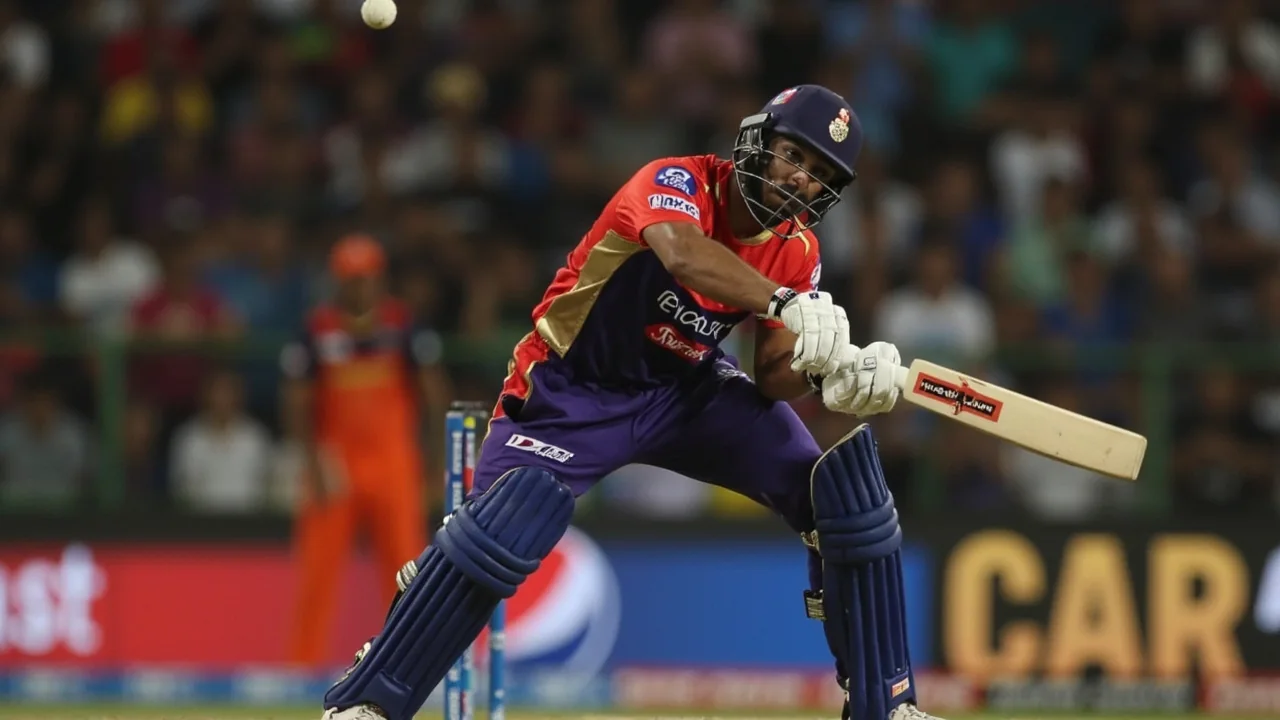
Mumbai Indians produced three of the eleven names on the season-end list, which is unusual for a side with their auction depth. The trio were Suryakumar Yadav, Hardik Pandya and Jasprit Bumrah — the spine of the batting order, the all-format captain and the strike bowler.
Suryakumar Yadav finished with 270 runs. That number sits far below the level at which he had become a permanent fixture in the IPL's top run-scorer charts from 2022 onward, and the season raised fresh questions about his place in India's T20I side ahead of the next World Cup cycle. For fantasy captains who paid a premium slot for Suryakumar on the strength of his 2022-2025 record, the 2026 line was a reminder that role certainty is a per-season question, not a career one.
Hardik Pandya produced 226 runs and picked up only 4 wickets, and missed games for undisclosed reasons across the campaign. The all-rounder slot is the most leveraged real estate in fantasy cricket because it carries batting depth and bowling points in a single selection; a 4-wicket return for the season is the kind of figure that turns a leverage slot into dead weight. The undisclosed absences add a second failure mode — even when Pandya played, fantasy captains could not lock him in as a high-floor selection.
Bumrah's line is the most remarkable. He finished with 4 wickets and a T20-tournament bowling average of 102.50. That figure is the worst ever recorded for a bowler who has bowled 40 or more overs in a T20 tournament, putting Bumrah in a category of statistical outliers no one had associated with his name before this season. For fantasy captains who treated Bumrah as a non-negotiable premium seamer, the season was a hard correction: a career average south of 20 became an average north of 100, and the death-overs yorker execution that has defined his career did not materialise on the schedule it usually did.
Delhi Capitals: spin-bowling floors missed
Delhi Capitals were eliminated from playoff contention, and the spin-bowling underperformance is where the season turned. The two spinners on the list were Axar Patel and Kuldeep Yadav, both of whom arrived with reputations as matchup bowlers on Indian surfaces.
Axar Patel finished with 10 wickets and 134 runs in 14 matches. The wicket count is workable; the runs are below the role expectation for a player who bats in the top seven. Kuldeep Yadav's line is sharper: 7 wickets across the entire campaign. A bowler of Kuldeep's calibre, on the kinds of surfaces Delhi play half their home games on, has historically delivered a wicket-economy profile that fantasy captains could plan around. A 7-wicket return from 14 matches is the kind of output that forces a rethink of whether the slot is worth the salary.
The spin-bowling collapses overlapped in the same XI, which compounded their effect. When both Axar and Kuldeep underperform in the same match, the captaincy slot cannot lean on spin insurance, and the seam bowlers have to take on extra overs in conditions that do not suit them.
RCB and the finishing line that vanished
Royal Challengers Bangalore topped the league table and qualified directly for Qualifier 1, which makes the inclusion of Jitesh Sharma on the flop list unusual until you read the back-story. Sharma scored 90 runs in 14 matches — a sharp drop from his late-season 2025 form, when his finishing knocks were central to the franchise's title run.
The Sharma drop did not cost RCB the league stage; their seam depth and overseas top-order form carried the side through. It is included here because the regression illustrates how volatile finishing roles can be at the T20 top level, and because fantasy drafts that locked Sharma in as a finishing hedge were paying the 2025 price for a 2026 floor.
PBKS strike bowler with the wrong shape
Punjab Kings' Arshdeep Singh finished with 14 wickets at an average of 38.64. For a strike bowler in an IPL side, a 14-wicket return on its own is not catastrophic — what is striking is the average. A bowler whose primary role is to take wickets at the top of the innings should not be conceding runs at 38 runs per wicket, because that economy compounds into pressure on the rest of the attack.
For fantasy captains who treated Arshdeep as a left-arm seam differential, the season was a reminder that role shape matters more than role label. A strike bowler whose economy is high enough to threaten the powerplay is a different player from a strike bowler who can survive the overs he does not take wickets in, and the 2026 line placed Arshdeep closer to the second category than the first.
What this list says about fantasy salary caps
Eleven players, eight franchises, four Indians in international contention, three Mumbai Indians. The list is a study in how role, salary, reputation and form interact — and how easily even elite careers can drift off the expected line.
For fantasy captains, the read-across is not a betting recommendation. It is a discipline reminder. Treat marquee salaries and prior reputation as historical inputs rather than current-season guarantees. Bowlers whose career floor relied on yorker execution slipped hardest when the conditions or the batting order changed; batters whose role was finish-only struggled when the chase did not reach them. Avoid-list thinking, captain-vice splits and a salary-cap frame tied to live matchups worked better than picking last season's top names again.
The broader habit — confirmed by this list — is to carry a rolling avoid register. When a marquee player underdelivers for three or four consecutive matches, the marginal captain decision is not to keep them in the side at premium salary; it is to downgrade the slot, free the budget for a differential, and accept the early loss in exchange for a later honest read. The flops list from IPL 2026 is, in effect, the register fantasy captains should have been keeping since match one.
A captain's note for the next cycle
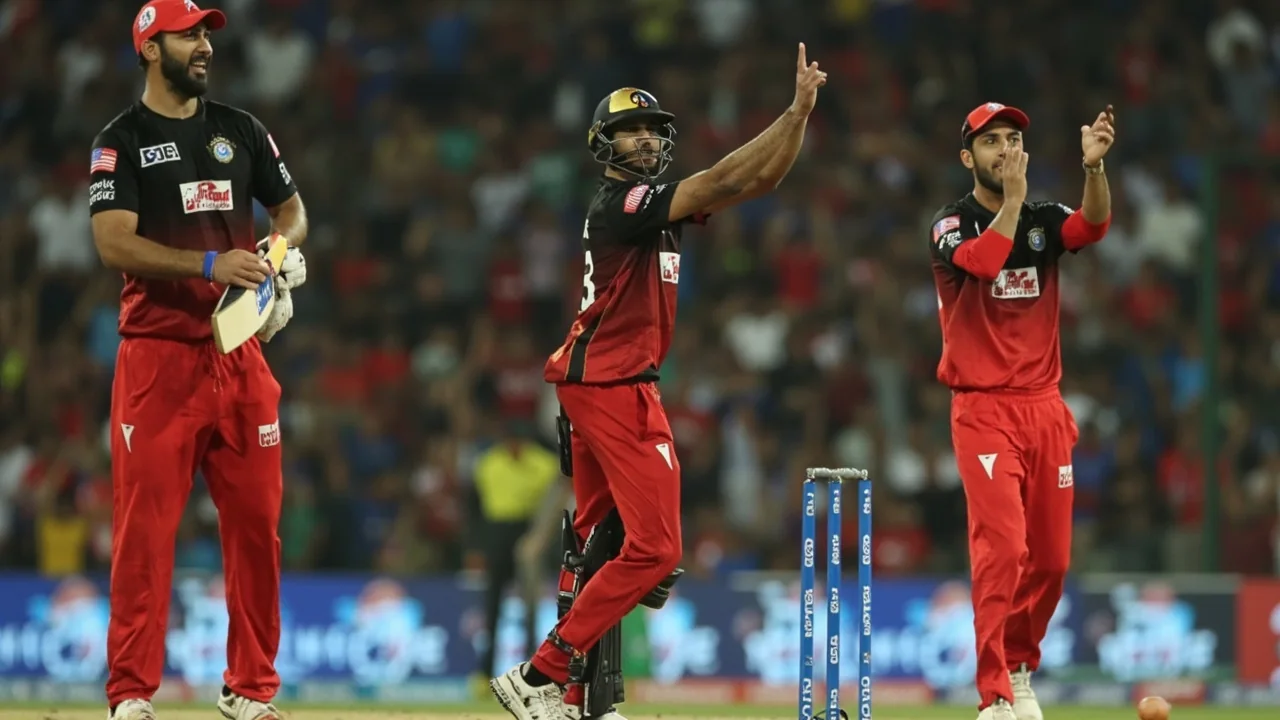
The next mega-auction cycle will arrive soon enough, and the temptation then will be to write fresh ledgers from scratch. The temptation should be resisted. The 2026 list carries a clear pattern: a price tag that looks like a discount often turns out to be a ceiling, and a track record that looks like a floor often turns out to be a peak. Fantasy captains who anchor their auctions to reputation rather than role tend to absorb the worst of both errors in the same XI.
For players on this list who retain international selection, the IPL 2026 line is a data point, not a verdict. Careers are longer than one season, and a strike bowler who finishes a campaign with a 102.50 average can return to a sub-20 average by the next cycle without changing the underlying skill set. But for the auction table, the discount disappears the moment role shape and current form diverge, and the lesson that fantasy captains should carry forward is to price role and shape higher than history.
The fantasy-cricket guide at the heart of this site goes deeper into captain windows, salary discipline and pre-match research loops that would have flagged most of the names on this list before lock; reading it alongside the 2026 data is the cleanest way to convert the season's disappointments into better decisions next time.
The bottom line
Eleven names, eight franchises, one set of figures. The IPL 2026 league stage closed on 24 May 2026 with RCB on top and LSG at the bottom, and the auction-sheet assumptions that drove both ends of the table did not hold. Rishabh Pant could not lift LSG out of last place, Ruturaj Gaikwad's strike rate sat below the modern opener floor, and Jasprit Bumrah's bowling average reached a figure no one had seen at this level before.
The fantasy lesson is the same one any captain who carried these names through fourteen matches has already learned: reputation is a starting point, role shape is the lock, and the next auction table will quietly punish anyone who forgets the difference. The next checkpoint is the fantasy-cricket guide, where the captain window, salary discipline and avoid-list habits live alongside the rest of the editorial toolkit.
Questions players ask
Who topped the IPL 2026 league stage?
RCB finished atop the table on 24 May 2026 and qualified directly for Qualifier 1, with GT, SRH and RR taking the other playoff berths in that order.
Why is Rishabh Pant's IPL 2026 season described as a flop?
Pant scored 312 runs in 14 matches for LSG while carrying an INR 27 crore price tag, the most expensive buy of the cycle, and LSG finished bottom of the table.
Did Jasprit Bumrah really bowl the worst T20 tournament average ever?
Yes for the recorded bracket. Bumrah finished IPL 2026 with 4 wickets and a T20-tournament bowling average of 102.50, the worst ever for bowlers who have bowled 40 or more overs in a T20 tournament.
How did Ruturaj Gaikwad underperform?
Gaikwad scored 337 runs in 14 matches with a strike rate of 123.44, putting pressure on partner Sanju Samson and the CSK top order.
Were most flops concentrated on a few franchises?
Several concentrated on Mumbai Indians, Delhi Capitals and Lucknow Super Giants, with the rest spread across CSK, RCB and PBKS.
What is the fantasy read-across from this list?
Treat marquee salaries and prior reputation as historical inputs rather than current-season guarantees, and tie captain picks to role shape and live matchups rather than last season's top names.
Is this retrospective reporting or live fantasy advice?
Retrospective reporting. The IPL 2026 league stage closed on 24 May 2026 and the figures cited are season-end, used here as a reference data point for future auctions and salary caps.
Where can I read the broader fantasy-cricket context?
The fantasy-cricket guide at the site root walks through captain windows, salary discipline and pre-match research loops that would have flagged most of these names before lock.
Ready when eligibility is clear
If you meet age and location rules, continue through our first-party route. Read live contest and wallet terms inside the product.
PLAY NOW18+ only where permitted. We may earn a commission if you continue via our first-party route.